Georgia Memory Net collects data pertaining to prevalence of Alzheimer’s disease and related dementias, patient quality of health and life, care partner burden, and systemic or institutional burden. To enhance the ability of clinical and public health experts to better estimate the number of Georgians living with dementia, diagnosis information, including estimated stage of illness at time of diagnosis, is captured.
This information is shared with the Alzheimer’s Disease and Related Dementias State Registry.
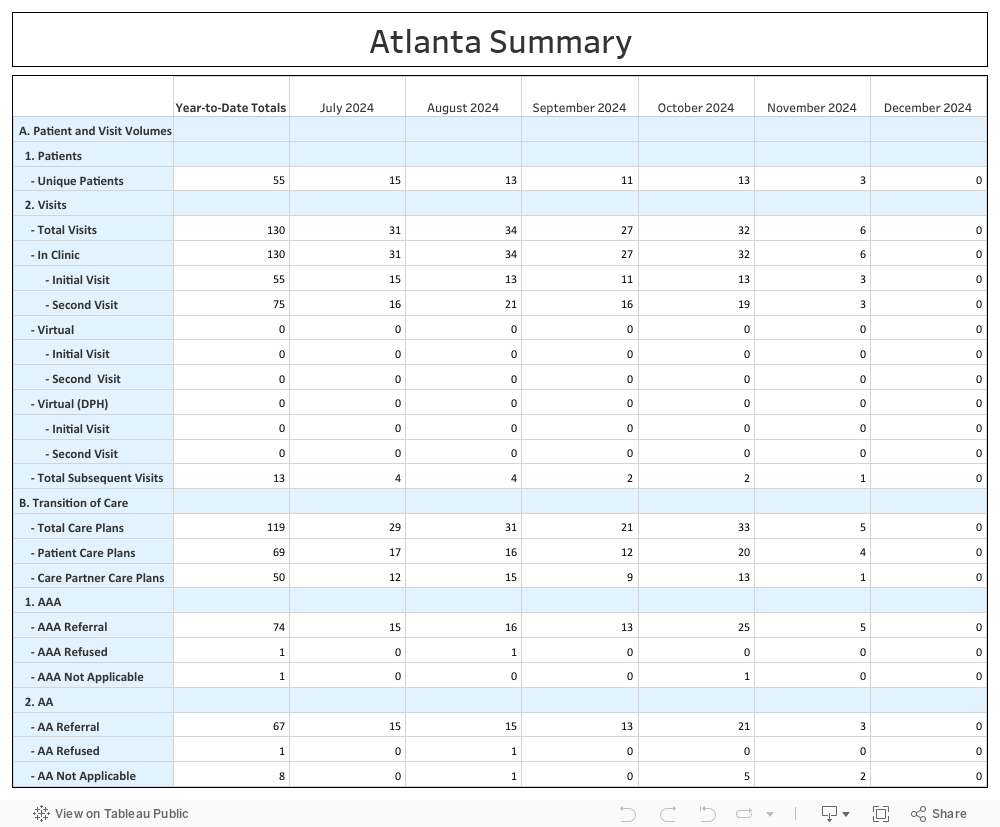
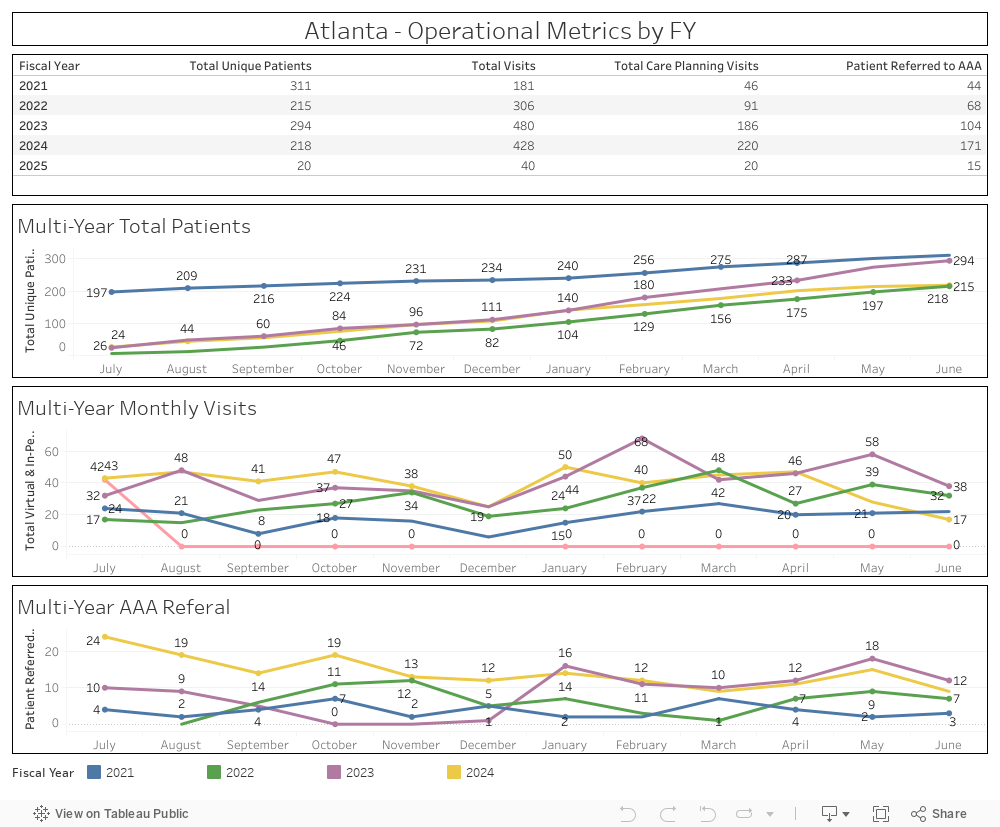
Georgia Memory Net also surveys family or other care partners approximately every six months, using validated tools to measure levels of care partners’ stress and burden. These data help us ensure the highest quality of service delivery and care, and informs our programs’ ability to reduce caregiver burden via our linkage to care system. We monitor caregiver information over time to measure the longer-term effects of Georgia Memory Net on family members and other care partners.
The number of referrals to each Georgia Memory Net Memory Assessment Clinic is also monitored as a way to track Georgia’s regional needs. Memory Assessment Clinics report performance indicators including wait times and patient wait lists so Georgia Memory Net can determine where an increased number of providers or resources may be needed.
Over the long term, Georgia Memory Net will track data provided by the Center for Medicare and Medicaid Services (CMS) relating to Emergency Room visits, repeated hospital admissions and skilled nursing placements. These data will help us determine the estimated diversion of unnecessary care transitions and the resulting cost savings to the state. Georgia Memory Net will also monitor Primary Care Physicians’ rates of Annual Wellness Visits (AWVs) statewide to ensure that eligible older adults are receiving this routine, reimbursable care in order to increase rates of cognitive screening in a routine, less stigmatizing, fashion.